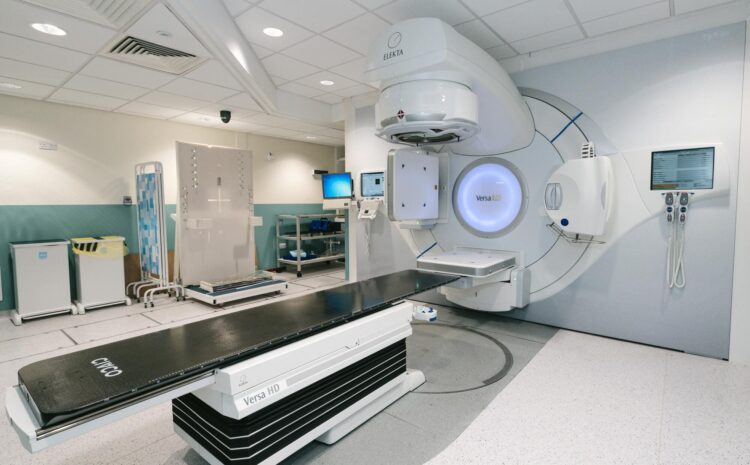
Nuclear Medicine is an advanced medical specialty that uses small amounts of radiopharmaceuticals to diagnose, monitor, and, in some cases, treat different diseases in a precise and minimally invasive way.
Through functional imaging techniques, such as PET-CT and scintigraphy, Nuclear Medicine allows for the observation of the functioning of organs, tissues, and metabolic processes of the body, facilitating earlier detection and a more precise evaluation of various pathologies, especially in the areas of oncology, neurology, and cardiology.
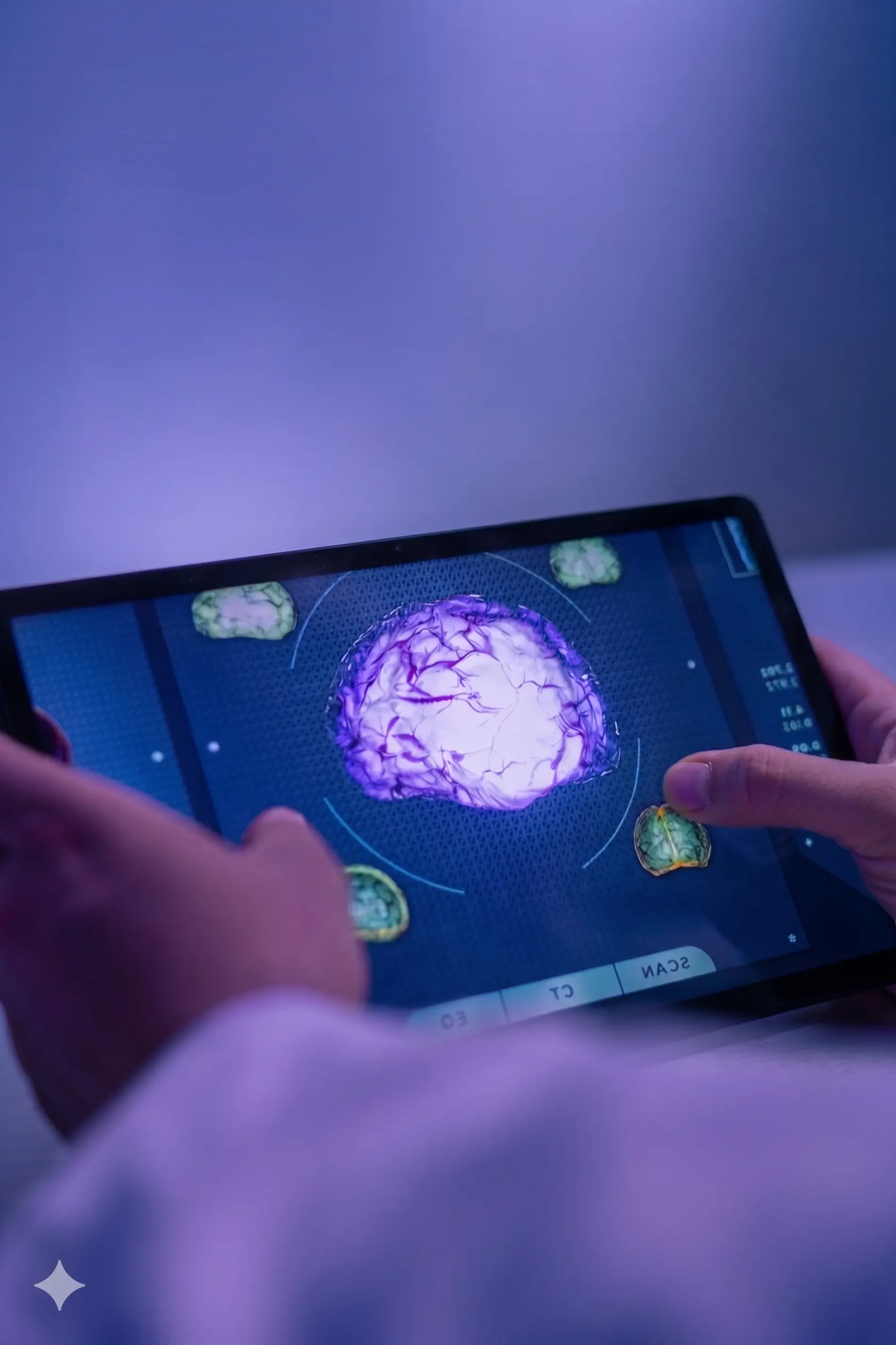
Functional imaging and molecular diagnosis in four main areas of clinical application, using PET-CT, SPECT, and scintigraphy.
Can’t find your pathology?
Each case is unique — our medical committee evaluates the clinical indication individually.
Each Nuclear Medicine test is personalized. Our team adapts the study according to the medical indication and the specific characteristics of each patient.
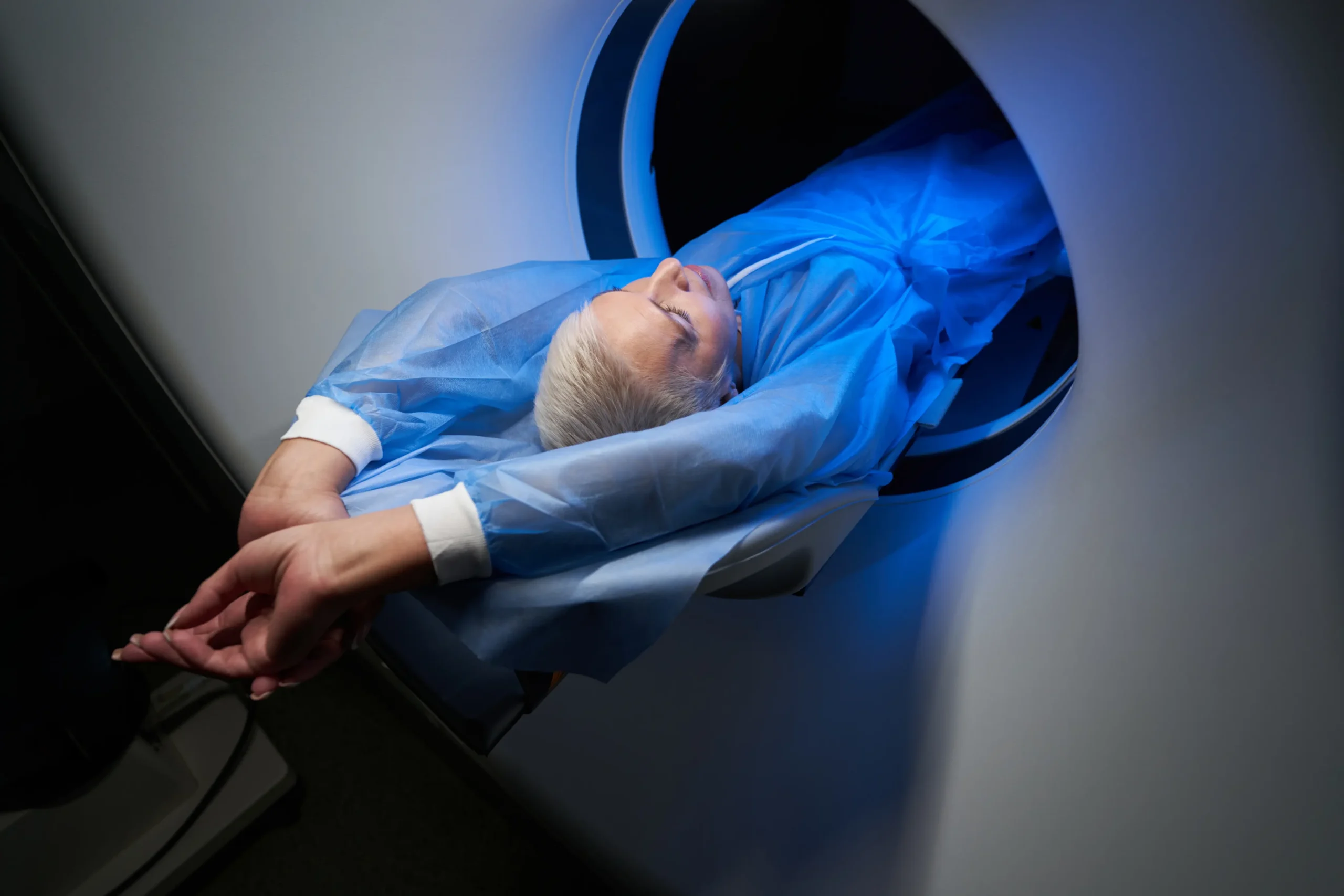
PET-CT is a non-invasive and painless Nuclear Medicine imaging technique. Unlike conventional X-rays or scans, this test allows for the visualization of not only anatomy, but also the metabolism and functioning of tissues and organs.
It uses positron-emitting isotopes to precisely locate where the injected tracer accumulates, identifying the disease even in its very early stages.
Types of PET
Although the system is a hybrid unit (combining PET with Computed Tomography), there are different applications depending on the radiopharmaceutical used:
What is it used for?
Its primary use is to detect where cells have abnormal energy consumption. It is used in:
How is it performed?
The process is simple and follows these steps:
Scintigraphy is a Nuclear Medicine imaging technique that provides functional information about organs and tissues. Unlike conventional radiological tests (such as X-ray or CT scan) that show shape or structure (anatomy), scintigraphy shows real-time function and metabolism.
Types of Scintigraphy
There are various specialized types depending on the organ or system to be studied:
What is it used for?
It is mainly used to detect functional abnormalities that are not visible in other tests:
How is it performed?
The procedure consists of four main phases:
Cutting-edge technology for accurate diagnosis and faster turnaround time.
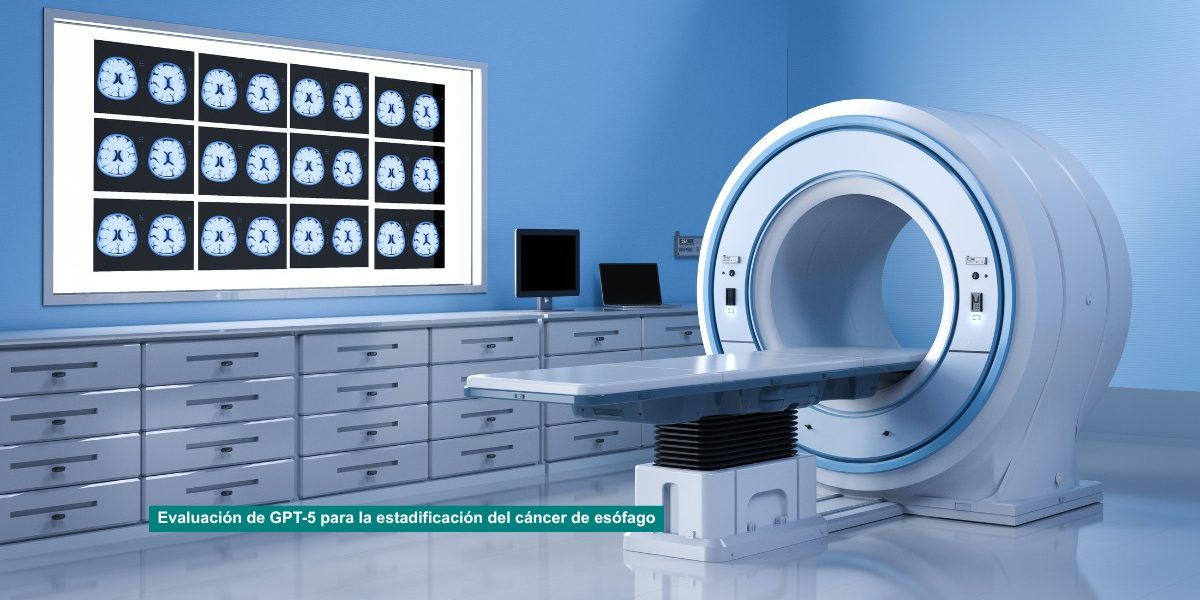
An advanced diagnostic imaging device that combines Positron Emission Tomography (PET) and Computed Tomography (CT) in a single scan.
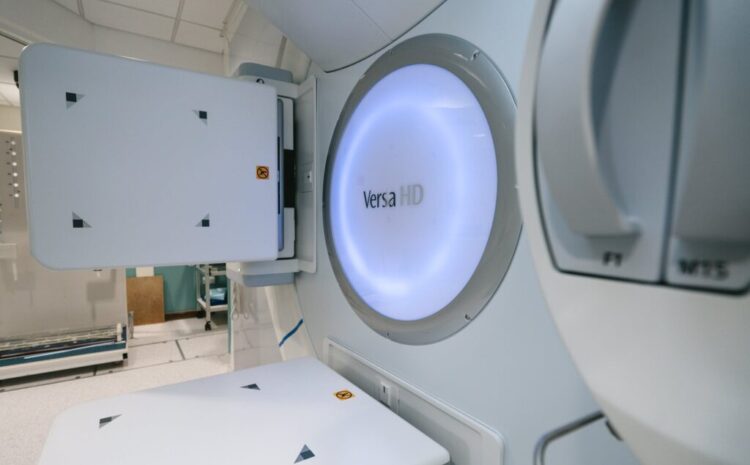
A nuclear medicine device that detects radiation and creates detailed images of the inside of the body to diagnose diseases or evaluate organ function
A structured process to minimise time, guarantee safety and ensure well-coordinated care.
The PET test always requires a medical prescription. Contact the center chosen to schedule it. Clinical data (usual medication, if diabetic) and insurance data will be requested. You will receive an SMS with the date and time of the exam.
The day before we will confirm your appointment. Come punctually and, if possible, accompanied. You should fast for 6 hours, drink water, avoid intense exercise and consult with our team about the medication you are taking. Report on medical history or diabetes.
Bring medical and insurance documentation. Your blood glucose will be monitored at the centre and the radiopharmaceutical will be administered intravenously. Depending on the PET scan, it will be performed immediately or after a few minutes of rest, with an approximate duration of 20 to 35 minutes. Avoid moving and remove metal objects. The test is safe and painless.
After the exam, you will be able to eat and drink normally. It is recommended to avoid close contact with pregnant women and young children during that day. Continue to drink fluids to promote the elimination of the radiopharmaceutical.
The results are not immediate, as the images must be processed and analysed by specialists in Nuclear Medicine. The centre will inform you about the different means available to access your study.
The PET test always requires a medical prescription. Contact the center chosen to schedule it. Clinical data (usual medication, if diabetic) and insurance data will be requested. You will receive an SMS with the date and time of the exam.
The day before we will confirm your appointment. Come punctually and, if possible, accompanied. The centre’s staff will give you the necessary instructions on whether you should fast or withdraw any medication, depending on the type of scintigraphy. Report on medical history, pregnancy, allergies, infections or cancer treatments.
Bring medical and insurance documentation. The radiopharmaceutical will be administered intravenously at the centre, and the scintigraphy or SPECT will be performed immediately or after waiting a certain time. Avoid moving and remove metal objects. The test is safe and painless.
After the exam, you will be able to eat and drink normally. It is recommended to avoid close contact with pregnant women and young children during that day. Continue to drink fluids to promote the elimination of the radiopharmaceutical.
The results are not immediate, as the images must be processed and analysed by specialists in Nuclear Medicine. The centre will inform you about the different means available to access your study.
Comprehensive support throughout the process
In addition to medical treatment, our team is available to answer questions, manage symptoms and accompany you at every stage. Radiotherapy is a path that we travel together.
We combine cutting-edge technology with a people-centred care model.
Advanced
technologyState-of-the-art equipment with millimeter precision control in each treatment session.
Agile
planningFirst preferential visit and initiation of treatment without delay
Personalized
attentionEach treatment plan is designed specifically for the patient, according to the type of tumor, its location and clinical situation.
Multidisciplinary
teamsOncologists, radiophysicists, technicians and specialized nurses work in coordination in each clinical case.
Reduced displacement
Service available in nearby reference hospitals, avoiding long transfers at a delicate time.
Hospital
integrationWe work integrated into the hospital circuit, guaranteeing fluid coordination with the rest of the specialists.
Quality and clinical
safetyWe follow up-to-date international protocols with continuous verification of safety at every stage of treatment.
We have two different forms to speed up the process: one for patients and another for doctors who wish to request an appointment directly.
We help you find the most suitable service and center for your case.
Request an appointment online No account required · Instant confirmationAccess the referral form and submit the relevant clinical documentation.
Refer a patient online No account required · Instant confirmationOnce there is the slightest suspicion of a possible tumour lesion, it is the most effective technique and the one that will provide more information compared to other diagnostic tests, providing the specialist with a better initial assessment of the disease and a subsequent more effective planning.
The amount of radiation emitted and received by the patient is extraordinarily low, similar to that received during an abdominopelvic scan. The injected amount of radiopharmaceutical is so small that there is no risk of any type of reaction. The only contraindications are: pregnant women and people with extreme obesity who may have difficulty accessing the scanner. If in doubt, always consult the specialists at the PET Center.
Yes. This test must always be prescribed by a physician, and it will normally be to them that you must submit the results. Your doctor must have reasons to believe that this technique will be useful for you, in accordance with the existing indications for its use.
We currently have service agreements with the leading medical companies in the national and European market. Depending on the type of policy you hold, this service may or may not be covered, so you should check with your health insurance company beforehand.
Once your doctor has prescribed the test, you can request your appointment by contacting the center by phone or email. Our team will let you know the date and time, answer any questions, and request the necessary information from you. You will also receive a confirmation of your appointment by SMS.
The day before your exam, our team will contact you to confirm the appointment time and answer any additional questions. It is recommended that you avoid physical exertion before coming to the center and, if possible, come accompanied by an adult. The PET/CT scan is a simple, safe test that is well tolerated by patients.
Fast for 6 hours before the test, avoiding solids and sugary liquids. Stay hydrated from the day before your appointment. You may take a tranquilizer if needed, and if you have any doubts about medication, please contact us. Do not engage in intense physical exercise in the days leading up to the test.
Yes. Our staff will give you a form on which you must indicate whether you have had any type of tumor; whether you have undergone surgery; whether you are pregnant or could be, or are breastfeeding; whether you have any allergy to medication or contrast; whether you have or have recently had an infection; whether you have recently received chemotherapy or radiotherapy; whether your weight is over 100 kg; and if you are diabetic, you must have controlled blood glucose levels (if the diabetes is insulin-dependent, you should not receive insulin for 4 to 6 hours before the test).
Company documentation: company authorization, health insurance card, and doctor’s prescription. Medical documentation: reports and images (CT, MRI…) that you have not previously submitted, and the report from the doctor who ordered the test. ID card and health insurance card.
It is very important that you arrive on time for your appointment and are very punctual, as the isotopes used for this test have a short lifespan and disappear quickly. Excessive delays could result in the test having to be postponed to another day.
Once at the center, your height and weight will be measured and your blood glucose level will be checked. A venous line will then be inserted for the administration of the radiopharmaceutical. The injection is completely painless and harmless, with no known side effects or risk of allergies. After the injection, you will need to lie down comfortably in a room for 45 minutes while the radiopharmaceutical is properly distributed throughout the body.
After the 45-minute period for the radiopharmaceutical to take effect, you will proceed to the PET scanner. The scan lasts between 20 and 35 minutes depending on the type of study. You must remain still once the study has begun and remove any metal objects. The test carries no risk or side effects.
Once the study is complete, you can eat and drink normally. It is advisable not to get close to pregnant women or young children on the day of the test, as they are more sensitive to radiation. By the next day, the radiopharmaceutical will have been completely eliminated and you can resume your normal life. Continue drinking plenty of fluids throughout the day.
The results are not available immediately after the test. The information obtained must be processed by powerful computers in order to produce the images that will be evaluated by Nuclear Medicine specialists. The center will inform you of the different ways to access your study.
Contact our team or request your appointment easily.